

The Psychology of Space in Casinos
The design of a casino is intricately linked to the psychology of its visitors, significantly influencing player behavior through various psychological mechanisms. The layout, lighting, and overall atmosphere can greatly affect how players perceive their chances of winning and how long they choose to stay on the premises. For instance, the strategic placement of gaming machines and tables encourages a fluid movement within the space, creating an environment where players may feel ensnared. This sensation of immersion is effective in overshadowing any natural inclination to leave, as the thrill of gaming captivates their attention, especially when they explore betting sites that offer enticing promotions and rewards.
Lighting and color schemes are crucial components of casino design that evoke strong emotional responses. Bright, vibrant colors are often employed to create an atmosphere of excitement and energy, encouraging players to engage more deeply with their gaming experiences. On the other hand, softer, more subdued lighting can foster relaxation, prompting players to linger at the tables. Designers purposefully utilize specific colors and lighting techniques to manipulate the emotional state of visitors, enhancing their overall experience as they navigate the casino.
Sound design plays an equally vital role in shaping player behavior. The harmonious blend of background music, the rhythmic sounds of slot machines, and the lively chatter of other players contribute to a vibrant atmosphere that draws individuals in. These auditory cues not only amplify excitement but also mask the passage of time, often leading players to stay longer than they had initially planned. Understanding these psychological elements is essential in creating a casino space that effectively holds players’ attention and keeps them engaged.
The Role of Layout and Navigation
The layout of a casino is meticulously designed to encourage exploration, engagement, and prolonged visits. By employing a maze-like configuration, designers aim to keep players wandering through the space, thereby reducing the likelihood of them exiting prematurely. This intentional design choice capitalizes on the human tendency to be curious and explore new areas, ultimately increasing the overall time spent within the casino. Each turn may lead to new experiences, which can re-engage players and encourage them to try different games beyond their initial choices.
Moreover, effective signage and navigation within a casino are carefully crafted strategies that significantly influence player behavior. Clear, attractive signage directs attention to prominent games and promotions, drawing players towards specific areas. High-stakes tables or newly released machines are often showcased with vibrant graphics and strategically placed near entrances, compelling players to follow certain paths. This guidance not only maximizes visibility but also leads players to spend more money as they engage with the highlighted gaming options.
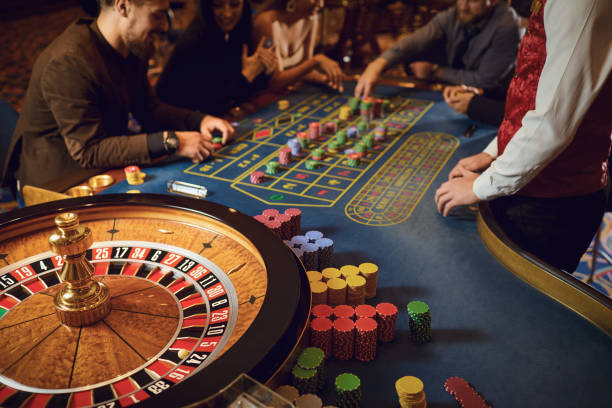
The design of high-traffic areas, such as lounges, bars, and rest zones, is also crucial in sustaining player excitement and engagement. These spaces serve not only as relaxation spots but also as social hubs where players can interact and share their experiences. By incorporating elements that foster social interaction, casinos harness the power of community to enhance player engagement. This environment promotes longer stays and increased spending as players become more immersed in the social aspects of gaming.
The Impact of Amenities and Services
Beyond gaming options, many casinos incorporate a variety of amenities that further influence player behavior and enhance the overall experience. Restaurants, bars, and entertainment venues create an all-encompassing atmosphere that encourages guests to extend their visits. By providing a range of on-site services, casinos ensure that players have everything they need at their fingertips, reducing the likelihood of them leaving the premises for food or entertainment. This convenience translates into more time spent gaming, as players can easily transition from food to gaming without leaving the environment.
Luxury amenities also play a significant role in attracting high-stakes players. Exclusive lounges, fine dining establishments, and personalized services cater to clientele seeking high-end experiences. Such offerings not only enhance the perceived value of the visit but also create a sense of loyalty among players who feel valued by the casino. The more comfortable and catered to players feel, the more likely they are to return and spend money, creating a cycle of repeat patronage that benefits the casino.
Additionally, casinos frequently host events and promotions designed to draw players into the space. Tournaments, live entertainment, and special shows create buzz and excitement, attracting both regulars and newcomers alike. These events can induce a sense of urgency among players, compelling them to participate, which often results in increased gaming activity. Therefore, strategic event planning becomes a crucial component of casino design, shaping player behavior and encouraging ongoing patronage through unique experiences.
The Effects of Thematic Designs
Thematic designs in casinos significantly affect players’ experiences and interactions with the environment. By incorporating themes that resonate with specific cultures, stories, or historical contexts, casinos create immersive environments that transport players into different worlds. This sense of escapism enhances emotional engagement, making the gaming experience more memorable and enjoyable. For example, a casino themed around ancient Rome may create an atmosphere of grandeur and excitement, enriching the overall thrill of gaming.

Thematic elements not only elevate the aesthetic appeal but also encourage players to explore various sections of the casino. Each themed area can offer distinct gaming experiences and atmospheres, allowing players to seamlessly switch moods and activities. As they traverse from one themed zone to another, players engage with different games, broadening their experiences and ultimately increasing the likelihood of spending time and money within the casino.
Furthermore, the integration of technology into thematic designs can enhance player engagement in innovative ways. Interactive displays, augmented reality features, and immersive soundscapes can bring themes to life, captivating players and holding their attention for extended periods. This use of technology, in conjunction with thoughtful design, contributes to creating a unique gaming experience that fosters loyalty among players while attracting new audiences eager for novel experiences.
Exploring Further on the Website
For those interested in delving deeper into the implications of casino design on player behavior, the website offers an expansive array of resources dedicated to this subject. Articles, case studies, and expert insights provide comprehensive knowledge on how various design elements can influence gaming experiences. Users can explore a wide range of topics related to casino architecture and design, gaining insights into how subtle changes can lead to significant shifts in player engagement and overall satisfaction.
The website also features interviews with industry leaders who share their experiences and strategies for optimizing casino environments. Such insights can be invaluable for casino managers, designers, and marketers looking to enhance their venues and adapt to evolving player preferences. By staying informed on current trends and research, stakeholders can make better decisions that align with the expectations of modern players, ultimately improving their establishments’ success.
Moreover, the platform offers interactive forums where enthusiasts and professionals can discuss best practices, share innovative design ideas, and even challenge existing norms in casino architecture. Engaging with a community of like-minded individuals fosters collaboration and encourages the exchange of knowledge, which can lead to groundbreaking developments in the field of casino design. This collaborative spirit not only enriches individual understanding but also pushes the industry toward continuous improvement and adaptation to player needs.
